 | 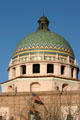 | 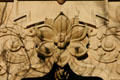 | 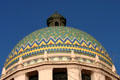 |
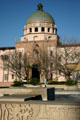
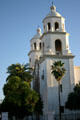
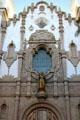
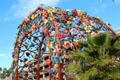
| Pima County Courthouse (1929). Tucson, AZ. Style: Spanish Colonial Revival. Architect: Roy Place. On National Register. | Tiled dome of Pima County Courthouse. Tucson, AZ. | Rose carved on Pima County Courthouse. Tucson, AZ. | Tiled dome of Pima County Courthouse. Tucson, AZ. |
 |  | 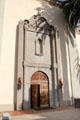 | 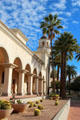 |
| St Augustine Cathedral (1896 & 1929 facade) (192 S. Stone Ave.). Tucson, AZ. Style: Spanish Colonial Revival. | St Augustine Cathedral Plateresque front. Tucson, AZ. Style: Spanish Colonial Revival. | Side portal of St. Augustine Cathedral. Tucson, AZ. | Southern facade of St. Augustine Cathedral. Tucson, AZ. |
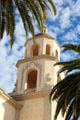 | 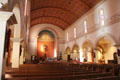 | 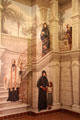 | 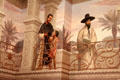 |
| Bell tower of St. Augustine Cathedral. Tucson, AZ. | Interior of St. Augustine Cathedral. Tucson, AZ. | Trompe l'oeil mural with saints in front entrance of St. Augustine Cathedral. Tucson, AZ. | Trompe l'oeil mural with saints in front entrance of St. Augustine Cathedral. Tucson, AZ. |
 | 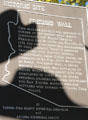 | 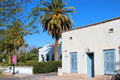 | 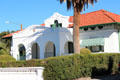 |
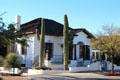
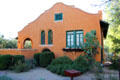
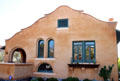
| Sculpted flowers on arcade in side yard of St. Augustine Cathedral. Tucson, AZ. | Plaque marking site of Presidio Wall of 1778. Tucson, AZ. | Corbett house & Stevens/ Duffield houses form western Main St. edge of campus of Tucson Museum of Art. Tucson, AZ.  | Corbett House (1907) host Arts & Crafts collection at Tucson Museum of Art. Tucson, AZ. Style: Mission Revival. |
 | 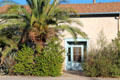 |  |  |
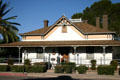
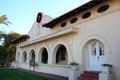
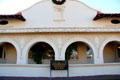
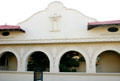
| Cottage on North Main Ave. Tucson, AZ. | Sonoran style house on North Main Ave. Tucson, AZ. | Cheyney House (1905) (252 N. Main Ave.). Tucson, AZ. Style: Mission Revival. Architect: Holmes & Holmes. | Cheyney House (1905) (252 N. Main Ave.). Tucson, AZ. Style: Mission Revival. Architect: Holmes & Holmes. |
 |  |  |  |
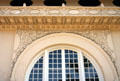
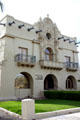
| Kruttschitte House (1886), now El Presidio Inn (297 N. Main Ave.). Tucson, AZ. Style: Sonoran & Victorian house. | Steinfeld Mansion (First Owls Club - 1898) (300 N. Main Ave.). Tucson, AZ. Architect: Henry C. Trost. | Steinfeld Mansion (First Owls Club - 1898) (300 N. Main Ave.). Tucson, AZ. | Steinfeld Mansion (First Owls Club - 1898) (300 N. Main Ave.). Tucson, AZ. Architect: Henry C. Trost. |
 |  | 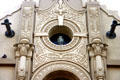 | 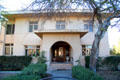 |
| Steinfeld Mansion patterned surface. Tucson, AZ. | Second Owls Club (1902-3) (378 N. Main Ave.). Tucson, AZ. Style: Mission revival & Sullivanesque. Architect: Trost & Rust. | Second Owls Club textured surfaces & owl in round window. Tucson, AZ. | Hereford House (c1902) (340 N. Main Ave.). Tucson, AZ. |
 |  |  |  |
| Rosalia Verdugo House (1887) (317-323 N. Main Ave.). Tucson, AZ. Style: Sonoran row house. | Rosalia Verdugo House (1887) (317-323 N. Main Ave.). Tucson, AZ. Style: Sonoran row house. | Rosalia Verdugo House (1887) (317-323 N. Main Ave.). Tucson, AZ. | Bungalow (1932) (335 N. Main Ave.). Tucson, AZ. |
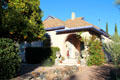 |  | 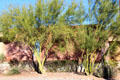 | 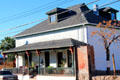 |
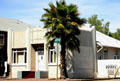
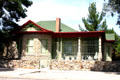
| House with entrance arch (1910) (385 N. Main Ave.). Tucson, AZ. | Old Town Artisans area. Tucson, AZ. | Palo Verde trees in Old Town. Tucson, AZ. | Square heritage house with front porch (1910) (241 W. Franklin St.). Tucson, AZ. |
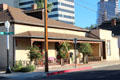 | 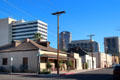 |  |  |
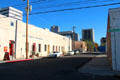
| Old Town architecture (1910) (234 N. Meyer Ave.). Tucson, AZ. | Old Town architecture along N. Meyer Ave. with modern skyline beyond. Tucson, AZ. | Residence (c1900) (521 E. University Blvd.). Tucson, AZ. Style: Art Deco. Architect: Henry Jaastad. | Ashlar stone house (c1902) (1003 N. 5th Ave.). Tucson, AZ. |
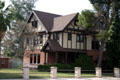 | 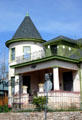 | 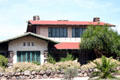 | 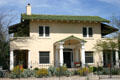 |
| Eliza Ward Rockwell House (1907-8) (405 W. Franklin). Tucson, AZ. Style: Tudor. Architect: Holmes & Holmes. | Ziegler House (c1910) (126 N. 1st Ave.). Tucson, AZ. Style: Queen Anne. | Residence (c1915) (341 E. 1st St.). Tucson, AZ. Style: Western Stick. | Catalina B&B (1927) (309 E. 1st St.). Tucson, AZ. |
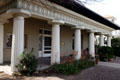 | 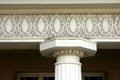 | 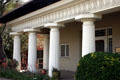 | 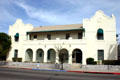 |
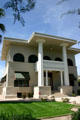
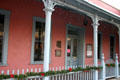
| Scheider-Healy House (1900-2) (324 S. 6th Ave.). Tucson, AZ. Style: Adobe & Greek revival. Architect: Henry C. Trost. | Scheider-Healy House decoration. Tucson, AZ. | Scheider-Healy House porch detail. Tucson, AZ. | Willard (Pueblo) Hotel (1902-4) (145 S. 6th Ave.). Tucson, AZ. Style: Mission Revival. Architect: Henry C. Trost. |
 | 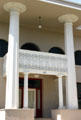 | 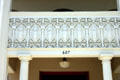 | 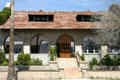 |
| Ronstadt House (1904) (607 N. 6th Ave.). Tucson, AZ. Architect: Trost & Rust. On National Register. | Ronstadt House portico. Tucson, AZ. | Ronstadt House texture detail. Tucson, AZ. | Bayless House (1905) (145 E. University Blvd.). Tucson, AZ. Style: Mission-style. Architect: Trost & Rust. |
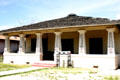 | 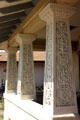 | 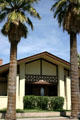 | 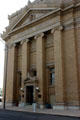 |
| Residence (1905) (721 E. University Blvd.). Tucson, AZ. Style: Sullivanesque. Architect: Henry C. Trost. | 721 E. University Blvd. pillar texture details. Tucson, AZ. | Goodrich House (1908) (645 E. University Blvd.). Tucson, AZ. Style: Wright influence. Architect: Henry C. Trost. | Scottish Rite Cathedral (1915) (160 S. Scott Ave.). Tucson, AZ. Style: Neoclassical. Architect: Henry C. Trost. |
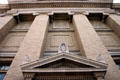 | 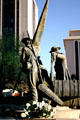 | 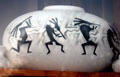 | 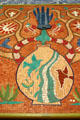 |
| Scottish Rite Cathedral facade detail. Tucson, AZ. | Morman Battalion sculpture commemorating Mormons who enlisted in U.S. Army during 1846 war against Mexico to get federal funds for their migration to San Diego. Tucson, AZ. | Native themes on pottery in shop in El Presidio district. Tucson, AZ. | Detail of mural "El Alma del Pueblo" (1998) by Alex Garza & Gonzalo Espinosa at Tucson Museum of Art. Tucson, AZ. |
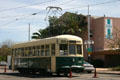 |  | 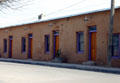 | 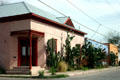 |
| Tourist trolley near campus of University of Arizona. Tucson, AZ. | Charles O. Brown House (c1840, 1876 & 1888) (40 W. Broadway Blvd.). Tucson, AZ. Style: Adobe. On National Register. | Pasquale Court adobe row houses (before 1879) (209-219 17th St.) built by Juan Pasquale (Italian immigrant). Tucson, AZ. On National Register. | Convent Ave. streetscape of Sonoran row houses at Kennedy (c1880s) in Barrio Historico. Tucson, AZ. |
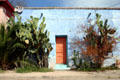 | 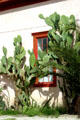 | 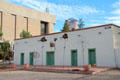 | 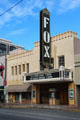 |
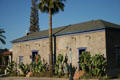
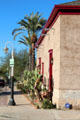
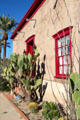
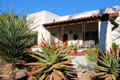
| Cactus against adobe in Barrio Historico. Tucson, AZ. | Cactus & window in Barrio Historico. Tucson, AZ. | Sosa-Carrillo-Frémont House (1850s) now run by Arizona Historical Society as a house museum. Tucson, AZ. On National Register. | Fox Tucson Theater (1930) (17 W Congress St.). Tucson, AZ. |
 | 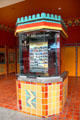 | 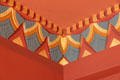 | 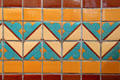 |
| Fox Tucson Theater sign. Tucson, AZ. | Fox Tucson Theater box office. Tucson, AZ. | Fox Tucson Theater Art Deco details. Tucson, AZ. | Fox Tucson Theater Art Deco ceramic tiles. Tucson, AZ. |
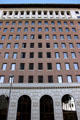 | 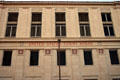 | 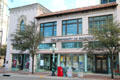 | 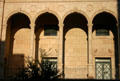 |
| Consolidated Bank of Tucson (1928-9) (2 E. Congress St.). Tucson, AZ. Architect: Cain Nelson Wares & Cook. | United States Court House (1929) (55 E. Broadway). Tucson, AZ. Architect: James A. Wetmore. | Downtown University of Arizona building (1929) (Stone Ave. at Pennington St.) was Montgomery Ward department store & housed offices of Tucson architect Roy Place. Tucson, AZ. | Wells Fargo building (1955) (150 N. Stone Ave.). Tucson, AZ. Architect: Place & Place. |
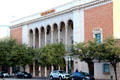 | 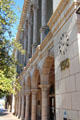 | 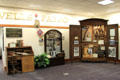 | 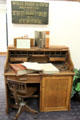 |
| Wells Fargo building (1955) (150 N. Stone Ave.). Tucson, AZ. Architect: Place & Place. | Arcaded facade of Wells Fargo building. Tucson, AZ. | Small museum in lobby of Wells Fargo Bank. Tucson, AZ. | Roll-top desk in museum of Wells Fargo Bank. Tucson, AZ. |
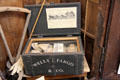 | 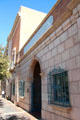 | 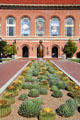 | 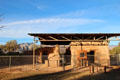 |
| Strong box in museum of Wells Fargo Bank. Tucson, AZ. | Arizona Historical Society Museum Downtown entrance (140 N Stone Ave.). Tucson, AZ. | Cactus display before Arizona State Museum. Tucson, AZ. | Adobe ruins of original Fort Lowell hospital (1873-91) which once had 13 rooms & 60 beds. Tucson, AZ. |
 |
|
|
|
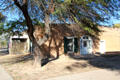
| Reconstructed officer's quarter, now the museum building at Fort Lowell. Tucson, AZ. |
|
|
|