 | 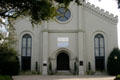 | 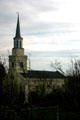 | 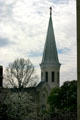 |
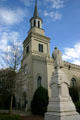
| First Presbyterian Church (1812-8) (642 Telfair St.) where President Woodrow Wilson's father was pastor. Augusta, GA. Architect: Robert Mills. On National Register. | First Presbyterian Church portal. Augusta, GA. | First Presbyterian Church. Augusta, GA. | Church of the Most Holy Trinity (720 Telfair St.). Augusta, GA. Architect: John Rudolph Niernsee. On National Register. |
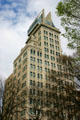 | 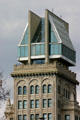 | 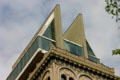 | 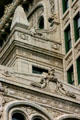 |
| Lamar Building (1913) (753 Broad St.) (17 floors). Augusta, GA. Architect: G. Lloyd Preacher, William Lee Stoddart. On National Register. | Penthouse atop Lamar Building (1975). Augusta, GA. Architect: I.M. Pei & Partners. | Penthouse melds with colored tiles of Lamar Building. Augusta, GA. | Carved details of Lamar Building. Augusta, GA. |
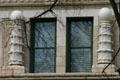 | 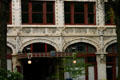 | 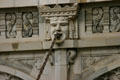 | 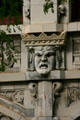 |
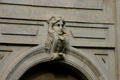
| Pillars of Lamar Building. Augusta, GA. | Imperial Theatre (1917) (745 Broad St.). Augusta, GA. | Carved face holding chain of entrance overhang on Imperial Theatre. Augusta, GA. | Carved scowling face on Imperial Theatre. Augusta, GA. |
 | 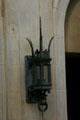 | 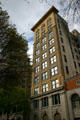 | 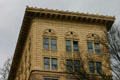 |
| Carved window keystone on Imperial Theatre. Augusta, GA. | Cast iron lamp on Imperial Theatre. Augusta, GA. | Marion Building (1920) (739 Broad St.) (10 floors). Augusta, GA. | Upper-story details of Marion Building. Augusta, GA. |
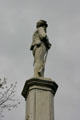 | 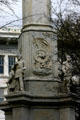 | 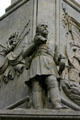 | 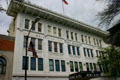 |
| Confederate War Between the States Memorial (1878). Augusta, GA. | Base of Civil War Memorial to Confederate Troops. Augusta, GA. | Statue of general with binoculars on Civil War Memorial to Confederacy. Augusta, GA. | News Building (Broad St.). Augusta, GA. |
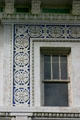 | 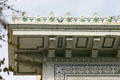 | 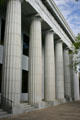 | 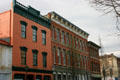 |
| Decorative patterns on News Building. Augusta, GA. | Decorative patterns on News Building. Augusta, GA. | Citizens & Southern National Bank (Broad at 7th St.) made of Granite. Augusta, GA. Style: Neoclassical. | Castle Hall & other Italianate buildings on 8th St. south of Broad. Augusta, GA. |
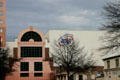 | 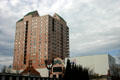 | 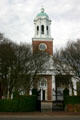 | 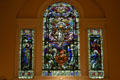 |
| Fort Discovery Science Center. Augusta, GA. | River Place Condominiums (1993) (18 floors) & Fort Discovery Science Center. Augusta, GA. | St Paul's Church (1918) (Reynolds at 6th St.). Augusta, GA. Architect: Henry Wendell. On National Register. | Stained glass of St. Paul's Church. Augusta, GA. |
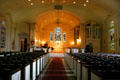 | 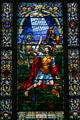 | 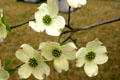 | 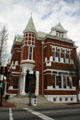 |
| Interior of St. Paul's Church. Augusta, GA. | Stained glass window of St. Paul's Church. Augusta, GA. | Flowering tree. Augusta, GA. | Former Augusta Cotton Exchange (1886) (now Georgia Bank & Trust Company). Augusta, GA. Architect: Enoch William Brown. On National Register. |
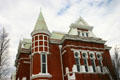 | 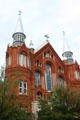 | 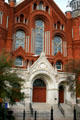 | 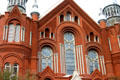 |
| Upper floor of Augusta Cotton Exchange. Augusta, GA. | Sacred Heart Cultural Center (former Church) (1901) (1301 Greene St.). Augusta, GA. Style: Romanesque. Architect: Brother Cornelius Otten. On National Register. | Portal of Sacred Heart Cultural Center. Augusta, GA. | Sacred Heart Cultural Center noted for its elaborate brick patterns. Augusta, GA. |
 |  |
|
|
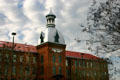
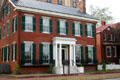
| Enterprise Building, a textile mill (19thC) now the Augusta Canal Interpretive Center. Augusta, GA. | Woodrow Wilson Boyhood Home (419 7th St.) was manse for First Presbyterian Church where Wilson's father was pastor (1858-70). Augusta, GA. On National Register.  |
|
|