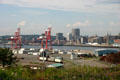
 | 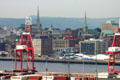 | 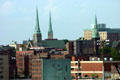 | 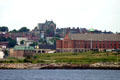 |
| Skyline of Saint John, New Brunswick. Saint John, NB. | Church spires on skyline of Saint John, NB. | Church spires on skyline of Saint John, NB. | Skyline of Saint John, New Brunswick. Saint John, NB. |
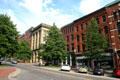 | 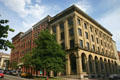 | 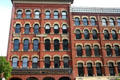 | 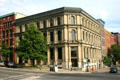 |
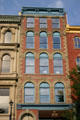
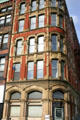
| Heritage buildings (c1878) on King Street. Saint John, NB. | Red brick heritage buildings (c1878) (22-40 King St.) with Royal Bank building (1900). Saint John, NB. | Heritage buildings on King at Germaine Streets. Saint John, NB. | Commercial building at King & Prince William Streets. Saint John, NB. |
 | 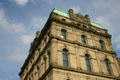 |  | 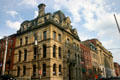 |
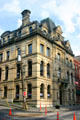
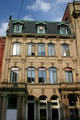
| Opera Bistro building (60 Prince William St.). Saint John, NB. | Old Post Office (113 Prince William St.). Saint John, NB. Style: Second Empire. Architect: Mathew Stead. | Rounded corner building on Prince William St. at Princess. Saint John, NB. | Prince William Streetscape beyond Princess & Old City Hall. Saint John, NB. |
 | 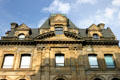 |  | 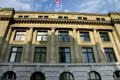 |
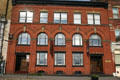
| Old City Hall (1878) (116 Prince William St.). Saint John, NB. Style: Second Empire. Architect: McKean & Fairweather. | Facade of Old City Hall. Saint John, NB. | Former Bank of Nova Scotia or Palatine building (124 Prince William St.). Saint John, NB. Style: Second Empire. Architect: Dumaresq & Dewar. | Post Office building (126 Prince William St.). Saint John, NB. |
 | 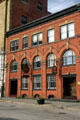 | 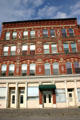 | 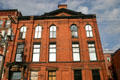 |
| Seaman's Mission (1908) (152 Prince William St.). Saint John, NB. Architect: G. Ernest Fairweather. | (152 Prince William St.). Saint John, NB. | (160 Prince William St.). Saint John, NB. | Troop building (162 Prince William St.) (1883). Saint John, NB. |
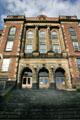 | 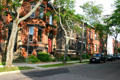 | 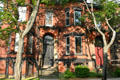 | 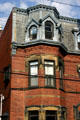 |
| Saint John High School (1932). Saint John, NB. | Brownstone row houses (post 1877 fire) on Germaine St. Saint John, NB. | Row house at 186 Germaine St. Saint John, NB. | Bay window on Germaine St. Saint John, NB. Style: Second Empire. |
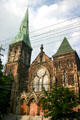 | 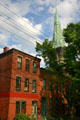 | 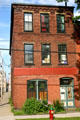 | 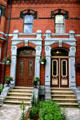 |
| Church of St. Andrews & St. David (1878-9). Saint John, NB. Architect: Henry Langley & Edmund Burke. | Row house on Germaine St. with steeple of St. Andrews & St. David. Saint John, NB. | Brick building at 156 Germaine St. Saint John, NB. | Bullock House (1879) (183-5 Germaine St.). Saint John, NB. |
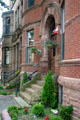 | 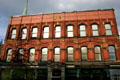 | 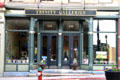 | 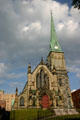 |
| Brick & stone row buildings (post 1877) on Germaine St. Saint John, NB. | Brick commercial building (1878) (126-30 Germaine St.). Saint John, NB. | Cast iron storefront windows (128-30 Germaine St.). Saint John, NB. | Trinity Church (post 1877). Saint John, NB. Style: Gothic Revival. Architect: W.T. Thomas. |
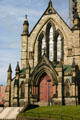 | 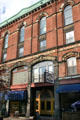 | 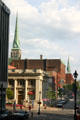 | 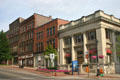 |
| Trinity Church portal. Saint John, NB. | Masonic Temple (post 1877) (92 Germaine St.). Saint John, NB. | View of Germaine at King St. with spires of Trinity & St. Andrews Churches. Saint John, NB. | Heritage buildings (c1878) on King Street at Germaine. Saint John, NB. |
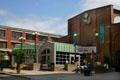 | 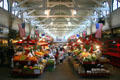 | 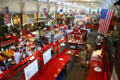 | 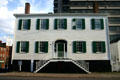 |
| City Market (1876). Saint John, NB. Architect: McKean & Fairweather. | Inside City Market fruit & vegetable stands. Saint John, NB. | Overview of City Market interior. Saint John, NB. | Loyalist House (1810) built for Merchant David Merritt. Saint John, NB. |
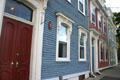 | 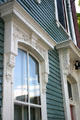 | 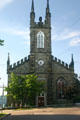 | 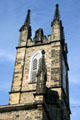 |
| Wooden row houses (9-1 Germaine St.). Saint John, NB. | Carved wood trim details (9 Germaine St.). Saint John, NB. | Saint John's Stone Church (1825). Saint John, NB. Style: Gothic Revival. | Gothic tower of Saint John's Church. Saint John, NB. |
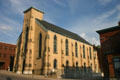 | 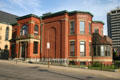 | 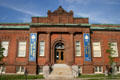 | 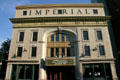 |
| Synagogue Shaarei Zedek. Saint John, NB. Style: Gothic Revival. | Mansion at 68 Carleton St. Saint John, NB. | Carnegie Free Public Library (1904) (20 Hazen Ave.). Saint John, NB. | Imperial Theatre (1913) (King Square South). Saint John, NB. Architect: Albert E. Westover. |
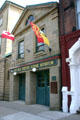 | 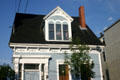 | 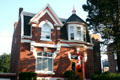 | 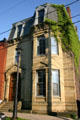 |
| No. 2 Mechanics Volunteer Company Engine House (1840) now a fire museum. Saint John, NB. Style: Neoclassical. Architect: John Cunningham. | Richly-decorated house (pre 1877) 60 Pitt Street. Saint John, NB. | Walter Frink house (1904) (112 Leinster St.). Saint John, NB. Style: Queen Anne. | Gilbert Bent house (1879) (78 Orange St.). Saint John, NB. Style: Second Empire. |
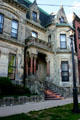 | 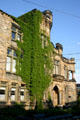 | 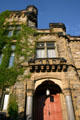 | 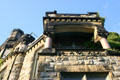 |
| George MacLeod house (1870s) (71 Orange St.). Saint John, NB. Style: Chateau. Architect: D.E. Dunham & W.P. Clarke. | Simeon Jones' Caverhill Hall (1881-4) at Sydney & Mecklenburg Streets. Saint John, NB. | Entry facade of Caverhill Hall which hosted PM Sir John A. MacDonald & King George V. Saint John, NB. | Upper balcony of Caverhill Hall. Saint John, NB. |