 | 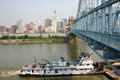 | 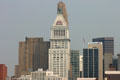 | 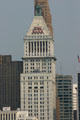 |
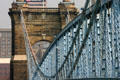
| Roebling Suspension Bridge (1856-67) 1,057 ft span was longest in world when opened. Roeblings went on to build Brooklyn bridge. Cincinnati, OH. Architect: John A. Roebling & Washington Roebling. On National Register. | Cincinnati skyline with Roebling Bridge & river barge. Cincinnati, OH.  | Mixture of skyscrapers including Central Trust Tower (now PNC Bank) & taller Carew Tower. Cincinnati, OH. | Central Trust Tower (now PNC Bank) & taller Carew Tower. Cincinnati, OH. |
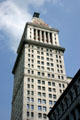 | 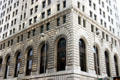 | 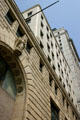 |  |
| PNC Bank formerly Central Trust Tower / Union Central Life Insurance Building (1913) (1-11 W 4th St.). Cincinnati, OH. Architect: Cass Gilbert. | Central Trust Tower facade surface details. Cincinnati, OH. | Central Trust Tower perspective. Cincinnati, OH. | Cincinnati Gas & Electric Building (1929) (139 E. 4th St.). Cincinnati, OH. Style: Neo-classical Revival. Architect: John Russell Pope + Garber & Woodward. |
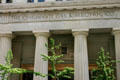 | 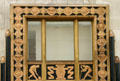 | 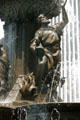 | 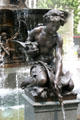 |
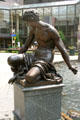
| Cincinnati Gas & Electric Building entrance columns. Cincinnati, OH. | Art Deco portal of Carew Tower with medallions of progress in horse, steamboat, rail & air transport. Cincinnati, OH. | Detail of bronze figure of Tyler Davidson Fountain in Fountain Square. Cincinnati, OH. | Detail of boy with spouting goose part of Tyler Davidson Fountain in Fountain Square. Cincinnati, OH. |
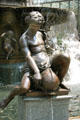 |  | 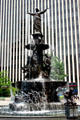 | 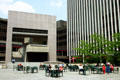 |
| Detail of youth with spitting dolphin on Tyler Davidson Fountain in Fountain Square. Cincinnati, OH. | Young man with turtle on Tyler Davidson Fountain with modern buildings of Fountain Square. Cincinnati, OH. | Fountain Square (1871) & Tyler Davidson Fountain, a gift of Henry Probasco. Cincinnati, OH. Architect: William Tinsley. On National Register. | People relaxing in Fountain Square in front of modern architecture. Cincinnati, OH. |
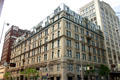 | 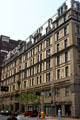 | 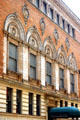 | 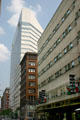 |
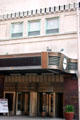
| Second empire Cincinnatian Hotel (1882) plus neighboring Art Deco & Moderne Enquirer Building (1926) to right. Cincinnati, OH. On National Register. | Cincinnatian (formerly Palace) Hotel (1882) (6th & Vine Sts.), one of many Thomas J. Emery & sons hotels. Cincinnati, OH. Style: Second empire. Architect: Samuel Hannaford. On National Register. | Cincinnati Gymnasium & Athletic Club (1902) (111 Shillito Pl.). Cincinnati, OH. Style: Renaissance Revival. Architect: George S. Werner & John S. Adkins. On National Register. | Lazarus Building (1877) (right.) earliest Chicago-style building in USA plus other commercial skyscrapers along 7th St. Cincinnati, OH. Style: Chicago & Art Deco. Architect: James W. McLaughlin. |
 | 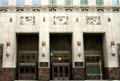 | 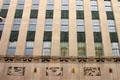 | 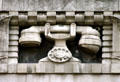 |
| John Shillito / Lazarus Building (1877) (675 Race St.) may be first example of Chicago-style building in USA though reclad in Art Moderne style (1937). Cincinnati, OH. Style: Chicago & Art Deco. Architect: James W. McLaughlin. | Cincinnati Bell Telephone Building (1931) (209 W Seventh St.). Cincinnati, OH. Style: Art Deco. Architect: Harry Hake Sr.. On National Register. | Cincinnati Bell Telephone Building Art Deco facade. Cincinnati, OH. | Cincinnati Bell Telephone Building rotary cradle phone carving. Cincinnati, OH. |
 | 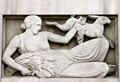 | 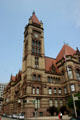 | 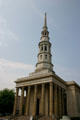 |
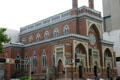
| Cincinnati Bell Telephone Building phone pole & pliers carving. Cincinnati, OH. | Cincinnati Bell Telephone Building relief of Ceres with wheat, grapes & rabbit. Cincinnati, OH. | Cincinnati City Hall (1893) (801 Plum St.). Cincinnati, OH. Style: Victorian Romanesque. Architect: Samuel Hannaford. On National Register. | St Peter-In-Chains Cathedral (1845) (325 W. 8th St.). Cincinnati, OH. Style: Greek revival. Architect: Henry Walter. On National Register. |
 | 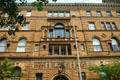 | 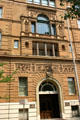 |  |
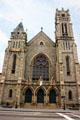
| Plum Street Temple (1866) (8th & Plum Sts.). Cincinnati, OH. Architect: James Keys Wilson. On National Register. | Phoenix Club (1894) (812 Race St.), the earliest Jewish men's club. Cincinnati, OH. Style: Italian Renaissance. Architect: Samuel Hannaford. On National Register. | Phoenix Club Italian Renaissance style entrance. Cincinnati, OH. | Cincinnati Club (1924) (30 Garfield Pl.), a business club that once shared space in the Phoenix Club. Cincinnati, OH. Style: Renaissance Revival. Architect: Garber & Woodward. On National Register. |
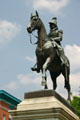 | 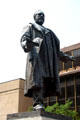 | 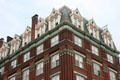 |  |
| Statue of William Henry Harrison, first US President from Ohio. Cincinnati, OH. | President James Garfield statue by Niehaus of Rome (1885) in Piatt Park. Cincinnati, OH. | Elaborate facade of building with brick columns (208 8th St.). Cincinnati, OH. | Covenant First Presbyterian Church (1875) (8th & Elm Sts.). Cincinnati, OH. Architect: J.J. Cotteral & Son. On National Register. |
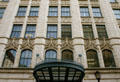 | 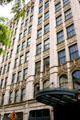 | 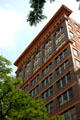 | 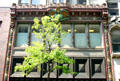 |
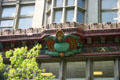
| Doctors' Building (1923) (19 Garfield Pl.) on Piatt Park. Cincinnati, OH. Style: Venetian Gothic revival. Architect: Tieteg & Lee. On National Register. | Doctors' Building (1923) (19 Garfield Pl.) on Piatt Park. Cincinnati, OH. | Building on 4th near Elm St. Cincinnati, OH. Style: Italianate. | 10-12 W 4th St. (1880s) with storefront remodeled (1907) by Frank M. Andrews & John D. Wareham with Rookwood Pottery tiles. Cincinnati, OH. Style: Commercial Queen Anne. |
 | 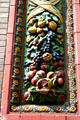 | 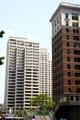 |  |
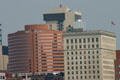
| Rookwood Pottery tiles once advertised chinaware store (10-12 W 4th St.). Cincinnati, OH. | Rookwood Pottery tiles showing grapes, pears, pomegranates (10-12 W 4th St.). Cincinnati, OH. | Tri-state (formerly Traction) building plus two modern skyscrapers to left. Cincinnati, OH. Style: Commercial Style. Architect: D.H. Burnham. | Gwynne Building (1913) (6th & Main Sts). Cincinnati, OH. Style: Beaux arts. Architect: Ernest Flagg. On National Register. |
 |  |  | 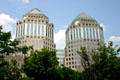 |
| University Club (formerly Dr. William Seely house) (1880) (324 Broadway). Cincinnati, OH. Style: Second Empire. | University Club (324 Broadway). Cincinnati, OH. | Public Library (1983) (Vine & 8th Sts.) & Kroger Building by Wyatt C. Hedrick (1960) (1014 Vine St.). Cincinnati, OH. | Procter & Gamble (1985) (5th & Broadway). Cincinnati, OH. Style: Post-modern. Architect: Kohn Pedersen Fox Assoc.. |
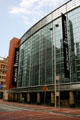 | 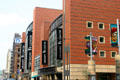 |  | 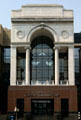 |
| Aronoff Center for the Arts (1995) (650 Walnut St.). Cincinnati, OH. Architect: Cesar Pelli. | Stanley J. Aronoff Center for the Arts includes a 2700 seat concert hall. Cincinnati, OH. | Curved Hyatt Regency & Millennium Hotel towers. Cincinnati, OH. | Dr. Albert B. Sabin Cincinnati Convention Center (1967 & 1986) recreates classical arch. Cincinnati, OH. Style: International & Post-modern. Architect: Hake & Hake Jr. then CRS/Sirrine. |
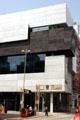 |  | 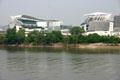 | 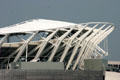 |
| Richard & Lois Rosenthal Center for Contemporary Art won the Pritzker Architecture Prize in 2004. Cincinnati, OH. Architect: Zaha Hadid. | Richard & Lois Rosenthal Center for Contemporary Art. Cincinnati, OH. | Paul Brown Stadium overlooking Ohio River. Cincinnati, OH. | Paul Brown Stadium cantilever arches. Cincinnati, OH. |