 | 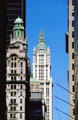 | 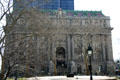 | 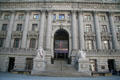 |
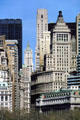
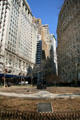
| Looking up Broadway from the Battery. New York, NY. | Looking up Broadway to Trinity Building (1907) (green dome) & Woolworth Building (spire). New York, NY. | United States Custom House over Bowling Green park. New York, NY.  | United States Custom House (1899-1907) (on Bowling Green) now Alexander Hamilton Custom House & National Museum of American Indian. New York, NY. Style: Beaux Art. Architect: Cass Gilbert. On National Register. |
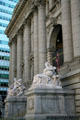 | 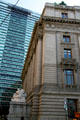 | 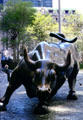 | 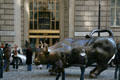 |
| United States Custom House with series of Four Continents sculptures by Daniel Chester French. New York, NY. | 2 Broadway (1959) (32 floors) over United States Custom House. New York, NY. Architect: Emery Roth & Sons. | Charging Bull sculpture (1989) by Arthuro Di Modica on Bowling Green. New York, NY. | Charging Bull sculpture (1989) by Arthuro Di Modica on Bowling Green is photographed by most tourists. New York, NY. |
 | 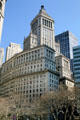 | 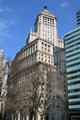 | 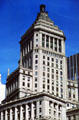 |
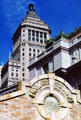
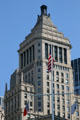
| Bowling Green Fence & Park (1771) (Broadway & Beaver St.). New York, NY. On National Register. | Standard Oil Building (1922) (15 floors + tower) (26 Broadway). New York, NY. Style: Renaissance. Architect: Carrere & Hastings + Shreve, Lamb & Blake. | Standard Oil Building commissioned in 1886, extended upward 1896 & then curved facade & tower added 1922. New York, NY. | Standard Oil Building by Carrere & Hastings with Chimney in form of Kerosene Lamp, the product John D. Rockefeller started producing. New York, NY. |
 |  | ![International Mercantile Marine Company Building [aka United States Lines, originally Washington Building]. New York, NY.](/t/USNYC/NYDB191.JPG) | 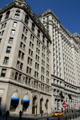 |
| Terra Cotta Bowling Green Subway entrance & 26 Broadway. New York, NY. | . New York, NY. | International Mercantile Marine Company Building [aka United States Lines, originally Washington Building] (1884 & 1921) (1 Broadway). New York, NY. Style: Classical Revival. Architect: Walter B. Chambers. On National Register. | United States Lines (now One Broadway). New York, NY. |
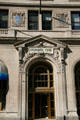 | 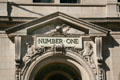 | 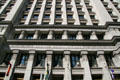 | 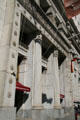 |
| Ports of call plaques on facade of United States Lines (now One Broadway) building. New York, NY. | Eagle, Mercury & Neptune carvings over portal of United States Lines (now One Broadway) building. New York, NY. | Bowling Green Building (1898) (5-11 Broadway). New York, NY. Style: Hellenic Revival. Architect: W.G. Audsley. | Columns of Bowling Green Building housed White Star Lines where crowds sought news of Titanic in 1912. New York, NY. |
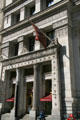 | 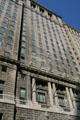 | 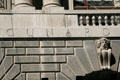 | 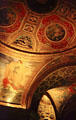 |
| Entrance of Bowling Green Building. New York, NY. | Cunard Building (1921) (25 Broadway). New York, NY. Style: Renaissance. Architect: Benjamin Wistar Morris + Carrere & Hastings. | Stonework details of Cunard Building. New York, NY. | Cunard Building interior ceiling by Carl Jennewein (carving) & Ezra Winter (painting). New York, NY. |
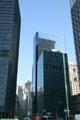 | 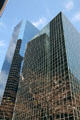 | 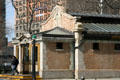 | 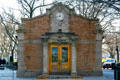 |
| Looking up Whitehall St. past 3 New York Plaza & Broad Financial Center. New York, NY. | Broad Financial Center (1986) (33 Whitehall St.) (27 floors) by Fox & Fowle Architects + 3 New York Plaza (1986) (39 Whitehall St.) (18 floors) by Stephen Decatur Hatch. New York, NY. | IRT Subway Line Battery Park Control House (1904-5) entrance building. New York, NY. Architect: Heins & La Farge. | Battery Park / Bowling Green IRT Subway Entrance. New York, NY. |